
LA Homeowner Painting Tips: Get Professional Results

TL;DR:
Proper prep and choosing the right paint ensure long-lasting, damage-resistant home finishes in LA’s climate.
Exterior painting offers a high return on investment, especially when tailored to local environmental challenges.
Skilled application and maintenance prolong paint durability and preserve curb appeal in Los Angeles homes.
Painting your Los Angeles home is one of the most impactful upgrades you can make, but the stakes are higher here than in most cities. Between intense UV exposure, coastal fog, and a real estate market where curb appeal directly affects your home’s value, every decision matters. The wrong paint, a skipped prep step, or a bargain contractor can cost you thousands in repairs within just a few years. This guide walks you through the smartest moves for both interior and exterior projects, covering everything from setting clear goals to choosing eco-friendly materials that hold up in LA’s demanding climate.
Table of Contents
Key Takeaways
Point | Details |
Prep is priority | Proper surface preparation makes paint last longer and look better, especially in LA’s diverse climate. |
Finish matters | Selecting the right finish for each room boosts durability, cleanability, and style. |
Eco-friendly options | Modern low-VOC paints offer durability without sacrificing family health or the environment. |
Professional techniques pay off | Careful application and attention to detail distinguish a high-value, lasting paint job. |
Ongoing maintenance | Simple steps like annual exterior rinsing keep your paint vibrant and protect your investment. |
Define your project goals and criteria
Before you pick up a brush or call a contractor, get honest about what you want this project to accomplish. Most LA homeowners fall into one of these categories:
Boosting resale value before listing the home
Refreshing the style after years with the same look
Protecting surfaces from sun, moisture, or salt air
Improving indoor air quality with healthier, low-VOC products
Updating a rental property to attract quality tenants
Knowing your primary goal shapes every choice that follows, from the sheen level you pick to how much you spend on prep work.
Los Angeles adds its own layer of complexity. Coastal neighborhoods like Santa Monica or Malibu deal with salt-laden fog that accelerates paint breakdown. Inland areas like Pasadena or the San Fernando Valley face brutal summer heat that causes paint to expand and crack. Even the famous LA sunshine, while beautiful, emits UV rays that fade pigments faster than in cooler climates. These aren’t minor considerations. They’re the difference between a paint job that lasts three years and one that lasts eight.
Cost versus return is another factor worth thinking through carefully. Exterior upgrades yield 50-100% ROI, making a fresh exterior one of the smartest investments before a sale. Interior refreshes tend to have softer but still meaningful returns, especially when you modernize with current color palettes.
If you’re tackling interior spaces, reviewing proven interior painting tips before starting can save you from common, costly mistakes.
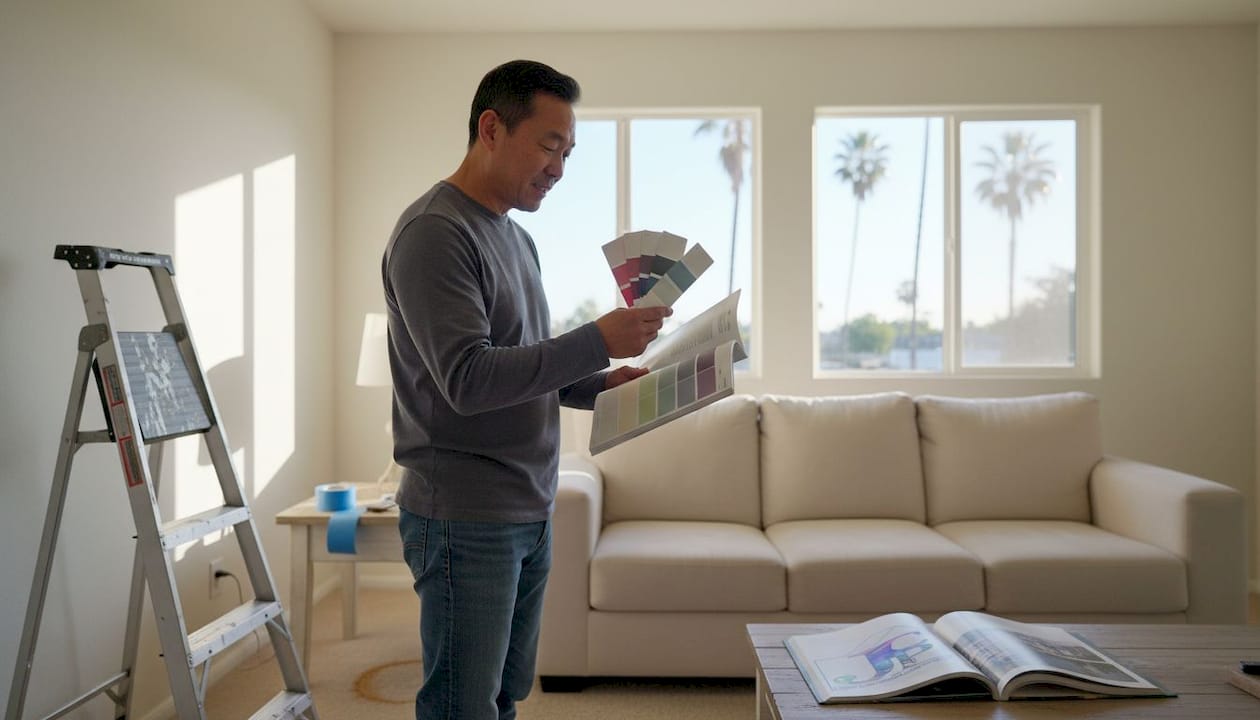
Pro Tip: Build your color and finish palette before you ever set foot in a paint store. Decide on your primary wall color, trim color, and ceiling tone as a group. This prevents the trap of buying samples one at a time and ending up with a mismatched scheme.
Essential preparation steps for flawless results
Once your goals are clear, it’s time to get your surfaces ready. Prep is the part most homeowners want to skip, and it’s exactly why so many DIY paint jobs look amateur within a year.
Here’s the sequence professionals follow:
Clean all surfaces. Dirt, grease, and chalking paint prevent adhesion. Wash walls with a TSP (trisodium phosphate) solution or a quality degreaser. For exteriors, pressure wash and let dry completely.
Scrape and sand. Remove any loose or peeling paint. Sand edges smooth so new paint doesn’t create visible ridges.
Patch and repair. Fill cracks, holes, and gaps with the appropriate filler. Use flexible caulk for areas that expand and contract with temperature changes.
Apply primer. Never skip this step, especially on fresh patches or dramatic color changes. Tinted primer, matched to your topcoat color, reduces the number of finish coats needed and improves color accuracy.
Tape and mask. Protect trim, windows, and floors before a single drop of paint opens. Proper cleaning, taping, and masking are essential for interiors, and annual rinse maintenance extends the life of exteriors.
For LA-specific concerns, coastal homes need mildew-resistant primers and paints. Salt air creates the perfect conditions for mold growth, especially on north-facing walls that stay damp. Stucco and masonry, common on LA homes, require adhesion testing before painting. Apply a small patch of primer and let it cure. If it peels, the surface needs more cleaning or a specialty bonding primer.
Browsing expert painting tips and understanding drywall repair prep can help you identify issues before they become expensive problems. For exterior projects specifically, learning about surface prep for exteriors is worth your time.
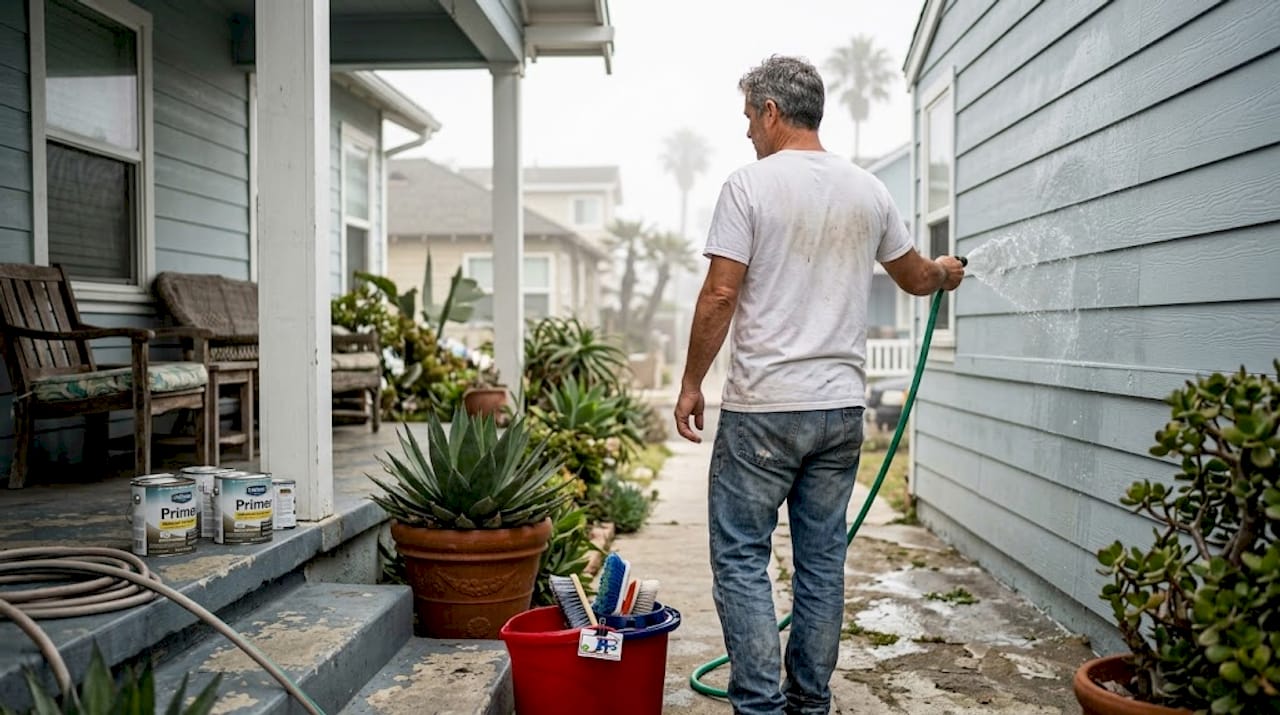
Pro Tip: Rinse your home’s exterior with a garden hose once a year. This simple habit removes grime, salt deposits, and biological growth before they degrade your paint film.
Choosing paints and finishes: durability, health, and style
Surface prep paves the way for lasting quality. Now make sure you choose the best paint for your specific needs.
For LA homes, three paint types dominate:
Acrylic latex: Flexible, breathable, and available in low-VOC formulas. The go-to for most interior and exterior applications.
Elastomeric: Thick, rubber-like coating ideal for stucco and masonry. Bridges hairline cracks and handles LA’s temperature swings well.
Mineral/silicate: Bonds chemically with masonry rather than sitting on top. Extremely durable and breathable, though less common and more expensive.
Finish selection matters as much as paint type. Here’s a quick reference:
Area | Recommended finish | Why |
Ceilings | Flat/matte | Hides imperfections, no glare |
Living rooms, bedrooms | Eggshell | Subtle sheen, easy to clean |
Kitchens, bathrooms | Satin or semi-gloss | Moisture resistant, wipeable |
Trim and doors | Semi-gloss or gloss | Durable, highlights detail |
Exterior walls | Satin | UV resistant, easy maintenance |
For families with young children, pets, or anyone with respiratory sensitivities, low-VOC paints are a genuine upgrade. VOCs (volatile organic compounds) are the chemicals that create that strong paint smell and can irritate airways for days after application. Quality eco-friendly paints have improved dramatically and now match conventional paints in coverage and durability.
Color choice also affects resale. Neutrals like white, gray, and beige are the most popular for resale, and low-VOC acrylics last longer in LA’s sun and fog. Bold accent colors work well on front doors and shutters without alienating buyers. For help narrowing down your finish options, this guide on choosing paint finishes covers the details.
Expert application techniques that make the difference
With the right paints in hand, perfect your project with expert application strategies for a lasting, professional look.
Application technique separates a good paint job from a great one. Even premium paint looks mediocre when applied carelessly. Here are the moves professionals rely on:
Cut edges first. Use a quality angled brush to cut in along ceilings, trim, and corners before rolling. This creates clean lines that a roller can’t achieve.
Feather your roller strokes. Overlap each pass by about 50% and finish with light, vertical strokes to eliminate lap marks.
Back-brush on stucco. When spraying exteriors, always back-brush or back-roll immediately after to push paint into the texture for better penetration and adhesion. Pros prioritize craftsmanship over speed, and less sheen is trending for high-traffic areas.
Test samples in real conditions. Paint large swatches (at least 12 by 12 inches) and observe them in both natural and artificial light before committing. Colors shift dramatically between morning and evening light in LA.
LA’s climate creates specific application challenges:
Climate factor | Challenge | Recommended technique |
High UV | Fading, chalking | Use UV-resistant topcoats |
Coastal fog | Mildew, poor adhesion | Apply in dry conditions, use mildew-resistant paint |
Inland heat | Bubbling, cracking | Paint in early morning, avoid peak heat |
Temperature swings | Expansion/contraction | Use elastomeric or flexible acrylic |
“The best results come from slowing down. Rushing application to save an afternoon almost always means repainting within two years.”
For inspiration on what’s possible with skilled application, exploring painting transformation ideas from completed LA projects can spark ideas for your own home.
Maintenance secrets for long-lasting color and protection
After your project is complete, a little effort keeps your home looking freshly painted and protects your investment.
Most homeowners treat paint as a set-it-and-forget-it upgrade. That mindset is expensive. The reality is that a modest maintenance routine dramatically extends the life of any paint job.
Here’s what to do each year:
Rinse exterior surfaces. Use a garden hose or low-pressure washer to remove dirt, pollen, and biological growth. Annual rinse maintenance extends exterior paint life, and most LA homes need a full exterior recoat every 5-7 years.
Inspect trim and caulk joints. These are the first places paint fails. Check for cracking, shrinking, or gaps and recaulk before water gets in.
Address mildew immediately. Treat any dark spots with a diluted bleach solution before they spread. Coastal homes should check north-facing walls every six months.
Do spot touch-ups. Keep a small amount of your original paint stored properly (upside down, in a cool space) for minor repairs. Touch-ups done promptly prevent small chips from becoming large peeling sections.
For ongoing guidance, the maintenance tips section covers seasonal care for both interior and exterior surfaces.
Pro Tip: Keep a paint log. Write down the brand, color name, color code, finish, and date of purchase for every room and surface. When you need a touch-up in three years, you’ll match the color perfectly instead of guessing.
Why craftsmanship—and not shortcuts—defines great painting in LA
After 16 years working on LA homes, one pattern stands out clearly: the homeowners who try to save money by cutting corners almost always spend more in the long run.
We’ve seen it repeatedly. A homeowner hires the cheapest bidder, skips the primer, uses builder-grade paint, and calls it done. Two years later, the exterior is peeling, the curb appeal has dropped, and they’re paying to redo the entire job. That’s not savings. That’s paying twice.
The uncomfortable truth is that paint quality and prep work are not places to economize. The labor cost of a paint job is relatively fixed. The material cost difference between a mediocre paint and a premium one is often just a few hundred dollars on a full exterior. That small difference buys you years of extra life and a finish that actually looks professional.
Sustainable choices follow the same logic. Low-VOC paints cost slightly more upfront and protect your family’s health while performing just as well. Skilled professional painting wisdom consistently points to the same conclusion: invest in the right materials and the right people, and you won’t be repainting in two years.
Ready to transform your LA home? Rely on professional expertise
Putting these tips into practice is straightforward when you have an experienced team behind you. Johnny’s Custom Painting has spent over 16 years working on LA homes, and we know exactly how this city’s climate, architecture, and real estate market affect every painting decision.
Whether you’re refreshing a single room or tackling a full exterior, see our interior painting portfolio for inspiration, or view exterior painting work to see how we handle LA’s unique challenges. When you’re ready to talk through your project, reach out to your trusted Los Angeles painting contractor for a free consultation and a plan built around your specific home.
Frequently asked questions
How often should I repaint my home’s exterior in Los Angeles?
Most LA homes need exterior repainting every 5-7 years, though annual rinsing and prompt touch-ups can push that timeline further.
What type of paint finish is best for kitchens and bathrooms?
Satin or semi-gloss finishes are ideal for kitchens and bathrooms because they resist moisture, clean easily, and hold up to daily use.
Are eco-friendly paints as durable as conventional paints in LA’s climate?
Yes. Low-VOC acrylics formulated for sun and fog perform just as well as conventional options and are safer for your family’s indoor air quality.
How do I prevent mildew on my coastal LA home?
Use mildew-resistant paints on exterior surfaces and rinse walls annually to remove the organic material that mildew feeds on.
What’s the easiest way to test a new paint color in my home?
Paint large test samples on the actual wall and observe them across different times of day before committing, since LA light shifts dramatically from morning to evening.
Recommended
Comments