
Top types of exterior paint for Los Angeles homes

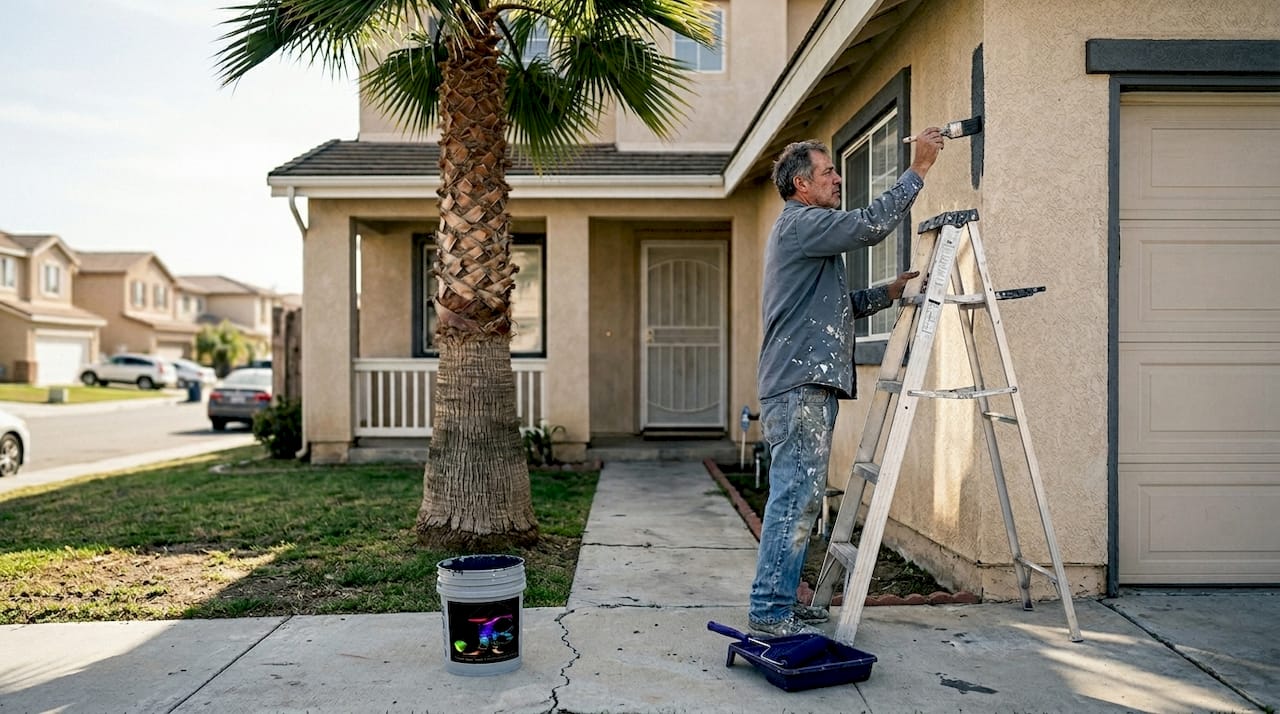
Picking the wrong exterior paint in Los Angeles is an expensive mistake. The city’s intense UV rays, coastal salt air, and wild temperature swings between neighborhoods can destroy a paint job in just a few years. LA’s sun and salt accelerate fading and surface wear faster than most homeowners expect. Whether you’re refreshing a Craftsman bungalow in Silver Lake or protecting a stucco home in Torrance, the type of paint you choose determines how long your investment lasts and how sharp your home looks from the street. This guide walks you through the key criteria, the main paint types, and how to match them to your specific project.
Table of Contents
Key Takeaways
Point | Details |
Match paint to LA climate | Choose UV-resistant or waterproof options based on sun, salt, and stucco conditions in your neighborhood. |
Acrylic latex is reliable | Acrylic latex paint balances durability, flexibility, and curb appeal for most Los Angeles home exteriors. |
Prep is crucial for results | Surface preparation makes or breaks the longevity of any exterior paint job. |
Eco-friendly paints are strong contenders | Low- and zero-VOC exterior paints now offer excellent performance, safety, and compliance for LA homes. |
How to evaluate exterior paint for LA homes
Now that you know why the stakes are high for Los Angeles exteriors, let’s break down what to actually look for when shopping for paint.
Not all exterior paints are created equal, and in Southern California, the wrong formula can fail within two or three years. Before you pick a color, you need to evaluate paint on several practical criteria that matter specifically for this region.
Here’s what to look for:
UV resistance: LA’s sun is relentless. Look for paints rated for high UV exposure to prevent chalking and color fade.
Salt air tolerance: Coastal neighborhoods from Venice to San Pedro deal with salt-laden air that breaks down standard coatings.
Flexibility: Paints that expand and contract with temperature changes resist cracking, which is critical in areas with hot days and cool nights.
Low-VOC formulation: California’s air quality regulations are strict. Eco-conscious eco-friendly paint options reduce emissions and keep you compliant.
Color retention: Some pigments hold up better under direct sun. Earthy tones and lighter shades tend to fade slower than deep saturated colors.
Prep requirements: Some paints demand more prep than others, and skipping this step is the single biggest reason paint jobs fail early.
Speaking of prep, proper preparation impacts 80% of exterior paint longevity. That’s not a small detail. It’s the foundation of everything. Cleaning, sanding, priming, and sealing cracks before you ever open a can of paint will do more for your home’s exterior than buying the most expensive product on the shelf. We always tell clients: great paint on a poorly prepped surface is just a delayed failure. You can learn more about surface prep for exterior painting to understand exactly what that process looks like.
Wall orientation is another factor most homeowners overlook. South-facing walls take the hardest beating from direct sun throughout the day. Those walls need paint with maximum UV resistance, full stop. North-facing walls stay cooler and shadier, so moisture resistance becomes the bigger concern.
Pro Tip: Before your next paint job, photograph your home’s exterior and note the current color and condition of each wall. This gives you a baseline to track fade over time and catch early signs of failure before they become costly repairs.
Finally, document the product name, sheen level, and batch number of whatever you use. If you need touch-ups in two years, matching the original paint is much easier when you have that information on hand.
Acrylic latex paint: The versatile, durable standard
Let’s dig into the leading type, acrylic latex, and why it’s a go-to for many Los Angeles homes.
Acrylic latex is water-based, which makes it easier to apply, faster to dry, and simple to clean up with soap and water. But don’t mistake convenience for weakness. Acrylic latex offers superior UV resistance and flexibility, making it ideal for LA homes across most neighborhoods and surfaces.
This paint type works exceptionally well on:
Stucco: The most common exterior surface in LA. Acrylic latex bonds well and breathes, allowing moisture to escape without trapping it behind the film.
Wood siding and trim: Flexible enough to move with the wood as it expands and contracts seasonally.
Fiber cement: Holds color well and resists the UV degradation that affects cheaper alternatives.
The pros are hard to argue with. Acrylic latex resists cracking, fading, and peeling better than most alternatives. It dries quickly, which matters in LA where afternoon winds can carry dust onto wet surfaces. It also plays well with most primers and is available in thousands of colors with excellent pigment stability.
The main downside? If your home was previously painted with oil-based paint, acrylic latex may not bond as well directly over it. You’ll need to scuff-sand the surface or apply a bonding primer first. Skipping this step is a common mistake that leads to peeling within the first season.
For paint durability in LA, sheen level also matters. Satin and semi-gloss finishes hold up better on trim and high-traffic areas, while flat or eggshell works well on large wall surfaces where you want to hide imperfections.
Pro Tip: Choose an acrylic latex product with a built-in primer when working on tricky LA surfaces like weathered stucco or previously unpainted wood. It saves time and adds an extra layer of adhesion that pays off in longevity.
For homeowners focused on curb appeal exterior painting, acrylic latex gives you the widest range of color options and the best balance of performance and cost. It’s the workhorse of exterior painting for good reason.
Other exterior paint types: Oil-based, elastomeric, and eco-friendly options
Acrylic latex is great, but there are times you’ll need specialized paint. Here’s what else is available and how to choose.
Oil-based paint has largely been phased out in California due to strict VOC regulations, but it still has a place in specific situations. It’s excellent for metal surfaces, wrought iron fencing, and high-traffic trim areas where a hard, durable finish is needed. Just know that application requires mineral spirits for cleanup, drying time is much longer, and disposal requires care. Always check the safe paint removal guide if you’re dealing with old oil-based coatings.
Elastomeric paint is a category that deserves more attention from LA homeowners. Elastomeric paint and eco-friendly formulations are especially valuable in LA climate niches, particularly for older stucco and concrete surfaces. Elastomeric coatings are thick, rubber-like, and can bridge hairline cracks up to 1/16 of an inch. They create a waterproof membrane that keeps moisture out, which is critical for homes near the coast or in areas with heavy morning dew.
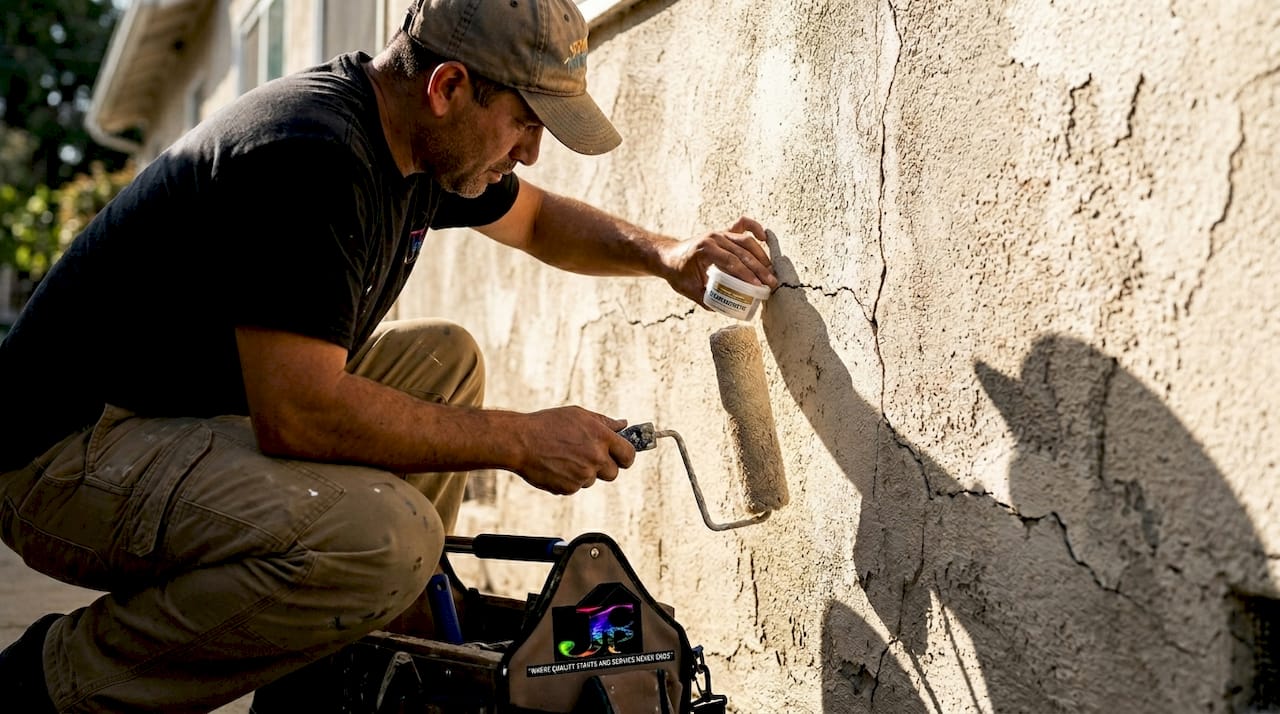
Eco-friendly (low or zero-VOC) paints have improved dramatically. Early versions had a reputation for weaker performance, but premium eco-friendly paints now match conventional formulas in durability while meeting California’s environmental standards. They’re the safest option for indoor air quality during and after application.
Paint type | Best use | Key strength | Key weakness |
Oil-based | Metal, trim | Hard, durable finish | High VOC, slow dry |
Elastomeric | Old stucco, concrete | Crack-bridging, waterproof | Thick, harder to apply |
Eco-friendly | Any surface | Low VOC, safe | Premium cost |
For the latest painting trends in LA, eco-friendly formulas are gaining ground fast as homeowners prioritize both performance and environmental responsibility.
Side-by-side comparison: Which exterior paint wins for your project?
You’ve seen the options. Now compare them head-to-head to make a confident, informed choice.
Paint type | LA climate fit | Durability | Cost | Prep needs |
Acrylic latex | Excellent | High | Moderate | Standard |
Oil-based | Limited | High (trim) | Moderate | Extensive |
Elastomeric | Excellent (coastal, stucco) | Very high | Higher | Moderate |
Eco-friendly | Excellent | High (premium) | Higher | Standard |
Matching paint to your project doesn’t have to be complicated. Follow these steps:
Identify your surface. Stucco, wood, concrete, and metal each respond differently to paint types.
Assess sun exposure. South-facing walls and coastal homes require specific exterior paint types for lasting results.
Set your budget. Elastomeric and premium eco-friendly options cost more upfront but save money over time by lasting longer.
Consider environmental priorities. If air quality and compliance matter to you, low-VOC is the clear path.
Plan your prep. Every paint type performs better on a clean, primed, and properly sealed surface.
“The paint itself is rarely the problem. It’s what happens before the first coat that determines whether a job lasts five years or fifteen.” This is something we repeat on every job site.
For exterior painting tips that go beyond product selection, think about sheen, application method, and the number of coats. Two thin coats always outperform one thick coat. And if you’re hiring a contractor, review painting contract essentials before signing anything so you know exactly what prep and materials are included.
Curb appeal and protection are not competing goals. The right paint type, applied correctly, delivers both.
Why most LA homeowners underrate surface prep and climate-specific paint choices
After 16 years of painting homes across Los Angeles, we’ve seen the same patterns repeat. Most exterior paint failures aren’t about the paint. They’re about the prep that didn’t happen and the product that wasn’t matched to the specific wall, neighborhood, or microclimate.
Homeowners in Malibu choose the same paint as homeowners in Pasadena, even though salt air and UV exposure are completely different challenges. We’ve peeled back trim near the ocean that was painted with a standard acrylic latex and no sealer. It looked fine at first and then failed in under two years. The right product with proper sealing would have lasted twice as long.
The most common mistakes we see: skipping primer on bare stucco, painting over chalky surfaces without cleaning, and choosing paint based on price alone. Proper prep is 80% of successful exterior paint longevity in LA. That number holds up every single time.
Catching issues early, a small crack, some fading on the south wall, a soft spot near a window, extends your paint’s lifespan and protects your property value. We recommend a quick visual inspection once a year. Good mastering surface preparation habits are what separate a paint job that lasts from one that disappoints.
Ready for a pro-quality finish? Let’s talk exterior painting
Choosing the right exterior paint for your LA home is only half the equation. The other half is having someone who knows how to prep the surface, match the product to your specific conditions, and apply it with the craftsmanship that makes it last.
At Johnny’s Custom Painting, we’ve spent over 16 years doing exactly that across Los Angeles. Browse our exterior residential painting portfolio and exterior commercial painting portfolio to see the results firsthand. As a top-rated LA painting contractor, we offer free consultations and personalized paint recommendations based on your home’s surface, location, and goals. Reach out today and let’s build a plan that protects and elevates your home’s exterior.
Frequently asked questions
Which exterior paint type lasts longest in Los Angeles?
Acrylic latex stays flexible and fade-resistant, making it the longest-lasting option for most LA homes when applied over a properly prepared surface.
Is elastomeric paint worth it for old stucco homes?
Absolutely. Elastomeric paint excels for stucco and concrete by bridging hairline cracks and creating a waterproof barrier that standard paints simply can’t match.
Do I need special paint for south-facing walls?
Yes. South walls need specialized UV protection to prevent rapid fading, so always choose a product explicitly rated for high UV exposure on those surfaces.
Are eco-friendly exterior paints as durable as regular paints?
Eco-friendly paints can perform as well as regular paints when formulated for local conditions, and premium brands designed for harsh climates now match conventional options in durability.
Recommended
Comments