
LA home painting maintenance: eco-friendly tips (2026)

TL;DR:
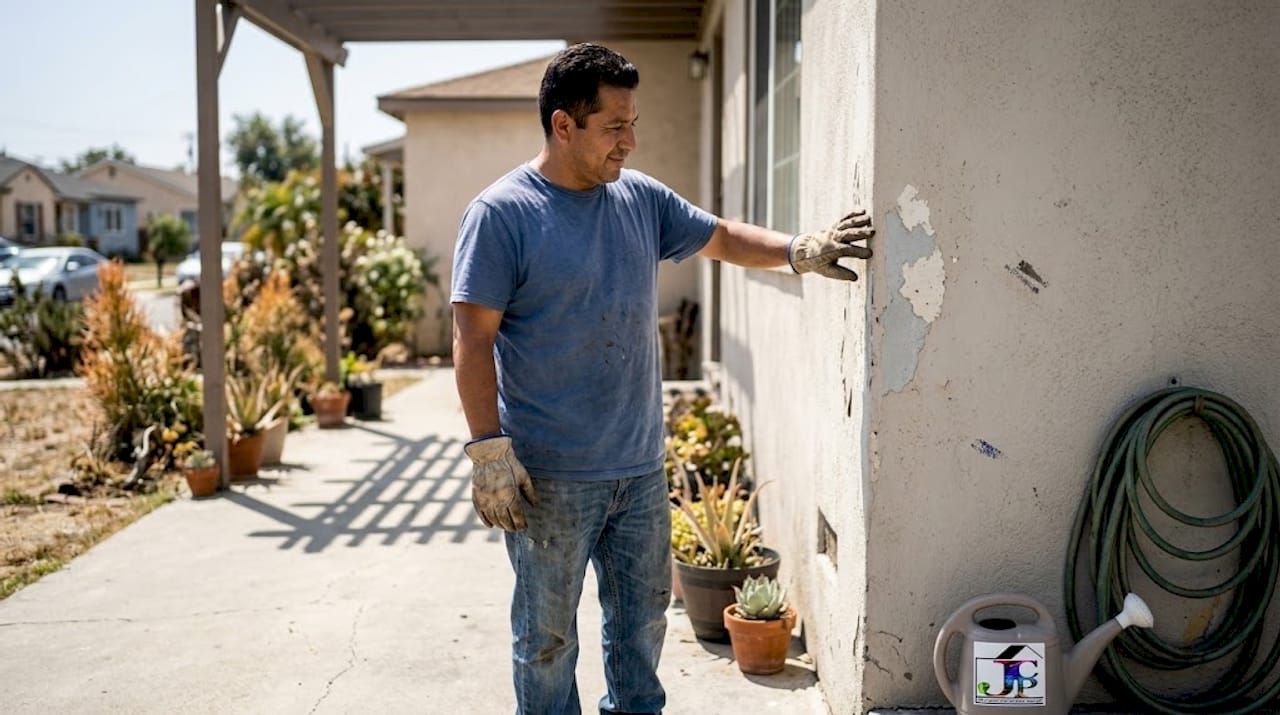
LA’s climate causes paint to fade and deteriorate faster, reducing lifespan by up to 40%.
Regular cleaning, inspection, and proper product choice can extend paint durability in LA’s challenging environment.
Eco-friendly, low-VOC paints with proper surface prep offer long-lasting, sustainable protection for LA homes.
Los Angeles is one of the hardest cities in the country on painted surfaces. The relentless UV radiation, coastal salt air, and layers of urban smog don’t take days off, and your home’s exterior absorbs every bit of it. Left unchecked, this punishment leads to peeling, fading, rot, and repair bills that climb fast. The good news is that smart, eco-friendly maintenance habits can dramatically extend the life of your paint and protect your property value. This guide walks you through everything you need to know, from understanding LA’s unique climate pressures to choosing the right sustainable products and prep techniques.
Table of Contents
Key Takeaways
Point | Details |
LA climate demands maintenance | UV, salt, and smog in Los Angeles cut paint life, so regular cleaning and inspection are crucial. |
Choose eco-friendly, durable paints | Modern low- and zero-VOC paints offer excellent longevity and reduced environmental impact. |
Proper prep saves thousands | Good surface preparation and timely maintenance prevent costly repairs and make paint jobs last longer. |
Smart cycles beat high costs | Rethinking repaint cycles and investing in quality products saves money and hassle over the long run. |
Understanding LA’s climate impact on painted surfaces
Los Angeles isn’t just sunny. It’s a layered environmental challenge that no single factor fully describes. UV radiation bleaches pigments, coastal salt corrodes finishes, and smog deposits acidic particles that eat into coatings over time. Together, these forces can reduce paint lifespan by 40% compared to properties in milder climates.
The numbers tell a clear story. Exterior paint in LA typically lasts 7 to 10 years under normal inland conditions, but that drops to 5 to 8 years for coastal homes due to UV, salt, and smog exposure. Regular maintenance can add 2 to 3 years to either cycle, which translates directly into money saved.
Not all LA properties face the same risks. Homes in the San Fernando Valley deal primarily with intense UV and heat cycling, while properties in Santa Monica, Venice, or Long Beach battle salt corrosion on top of everything else. Understanding your specific microclimate matters before you choose products or plan a maintenance schedule.
Factor | Inland LA | Coastal LA |
Primary threat | UV radiation, heat | Salt, moisture, UV |
Paint lifespan | 7 to 10 years | 5 to 8 years |
Cleaning frequency | Once yearly | Twice yearly |
Recommended paint | UV-stabilized, high-solids | Salt and UV resistant |
Choosing the right LA exterior paint types for your zone is the first smart move any property owner can make. And understanding how weather affects exterior paint in Southern California specifically helps you time both projects and maintenance for better results.
One thing most homeowners overlook: the combination of morning marine layer moisture followed by afternoon heat creates a daily expansion and contraction cycle in your painted surfaces. Over months and years, this mechanical stress breaks down adhesion faster than UV alone. That’s why even properties a few miles inland from the coast are not immune to accelerated wear.
Essential cleaning and inspection routines for longevity
Once you understand LA’s environmental pressures, the next step is regular upkeep to break the damage cycle before it starts. Cleaning isn’t glamorous, but it’s one of the highest-return habits you can build as a property owner.
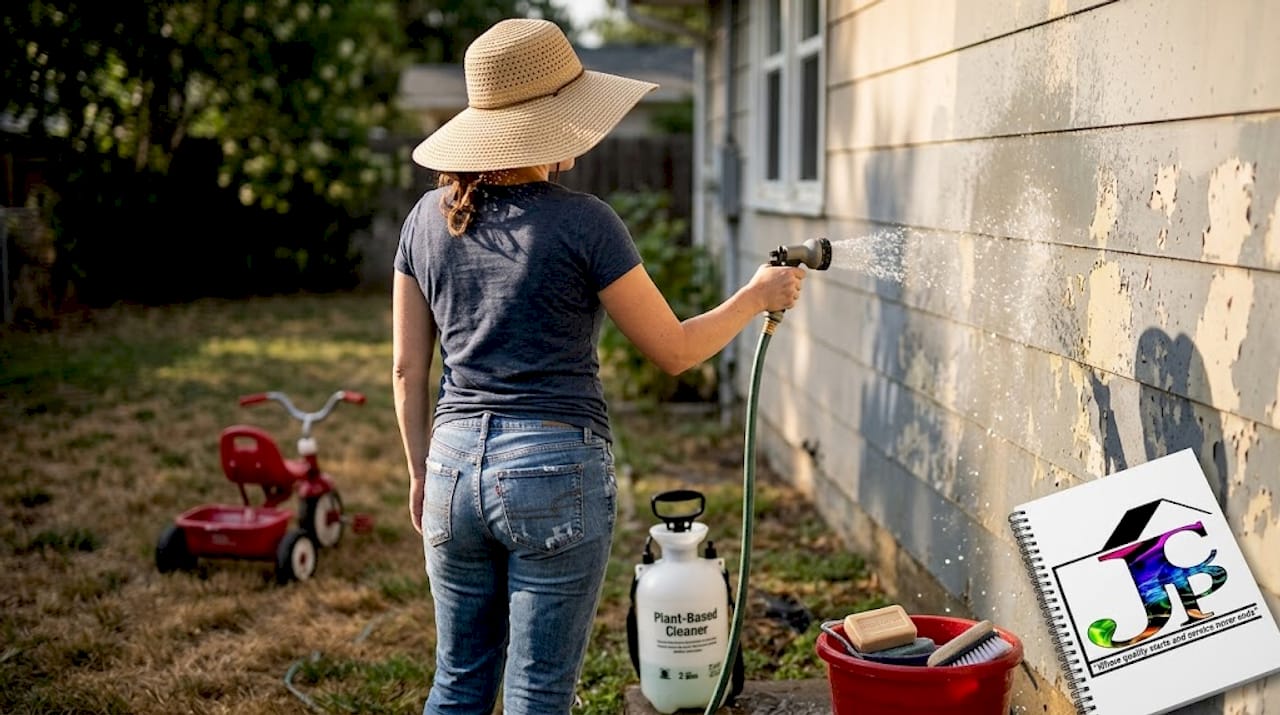
Annual exterior rinsing with a garden hose removes grime, salt residue, and organic growth before they bond to paint and cause deterioration. For coastal properties within five miles of the ocean, twice-yearly cleaning combats chloride corrosion that can quietly eat through paint films and reach the substrate underneath.
Here’s what to include in each inspection:
Peeling or bubbling paint: Often signals moisture trapped beneath the surface
Mold or mildew patches: Common in shaded or north-facing walls
Rust blooms near metal fixtures: A sign that water is penetrating the film
Bird droppings: Acidic and will etch paint if left more than a few days
Hairline cracks in stucco: Small now, expensive later if ignored
Pro Tip: Skip the pressure washer for routine cleaning. A standard garden hose with a spray nozzle removes most salt and grime without the risk of forcing water behind stucco or wood siding, which can cause the very moisture damage you’re trying to prevent.
“The easiest way to ruin paint prematurely is to skip the annual rinse. Salt and smog deposits don’t just look bad, they actively degrade the binder that holds the coating together.”
For products, use plant-based, biodegradable cleaners instead of bleach or harsh detergents. These protect your landscaping and nearby waterways while still handling mold and grime effectively. Understanding what causes paint fading helps you target your inspections where fading stress is highest. For a full checklist of owner tasks, more LA painting tips are worth bookmarking for reference.
Eco-friendly painting products: What works best in LA
With cleaning and inspection in place, next comes picking the right products for LA’s green-conscious and performance-driven demands. The good news: eco-friendly no longer means compromising on durability.
Low-VOC and zero-VOC paints now match or surpass the durability of conventional solvent-based coatings in real-world conditions. VOC stands for volatile organic compound, which refers to the chemical gases that evaporate as paint dries. Lower VOC content means better indoor and outdoor air quality, fewer toxins in runoff, and a healthier environment overall.
For maximum performance in LA, prioritize UV-stabilized paints with titanium dioxide pigments. Titanium dioxide reflects UV radiation rather than absorbing it, which dramatically slows color fading and film degradation. High-solids formulations also provide a thicker dry film that resists moisture penetration better than thin, economy-grade products.
Paint type | VOC level | LA durability | Cost per gallon |
Conventional oil-based | High | Good | $35 to $55 |
Standard latex/acrylic | Medium | Good | $30 to $50 |
Low-VOC acrylic | Low | Very good | $45 to $65 |
Premium zero-VOC | Negligible | Excellent | $60 to $90 |
For coastal properties specifically, look for salt-resistant elastomeric coatings. These flexible finishes expand and contract with temperature swings without cracking, making them ideal for stucco-clad homes near the ocean.
Pro Tip: Don’t shop by VOC content alone. Check the product’s mil thickness (dry film thickness) rating. A zero-VOC paint with a thin dry film will underperform a low-VOC paint with proper build, especially on LA exteriors.
Learning more about the sustainable painting options available in Southern California will help you narrow down choices. The benefits of eco-friendly paint go beyond the environment and include real performance advantages that matter in LA’s climate.
Surface prep and application: Pro secrets for lasting results
Product alone is never enough. How you prepare and apply paint makes the difference between a quick fade and a finish that stays beautiful for years.
Proper surface preparation extends paint lifespan by up to 50% in LA conditions. That’s not a small margin. Skipping prep doesn’t just reduce quality slightly. It can cut your paint’s effective life nearly in half, leading to costly repaints far sooner than necessary.
Follow this sequence every time:
Clean the surface thoroughly to remove dust, grease, salt, and organic growth
Scrape and sand any loose, peeling, or chalky paint until you reach a firm substrate
Repair cracks and voids with an appropriate patching compound before priming
Apply a quality primer matched to your topcoat and substrate type
Allow full cure time before applying topcoat, especially in humid marine layer conditions
For application, apply paint in shade, with temperatures between 60 and 85 degrees Fahrenheit and low humidity. On stucco, back-rolling after spraying pushes paint into the texture for superior adhesion. Always apply two full coats at the manufacturer’s specified film thickness to activate warranty coverage and achieve rated durability.
Pro Tip: Schedule exterior painting for late morning after the marine layer burns off but before afternoon heat peaks. Direct sun on freshly applied paint causes it to dry too fast, which traps solvents and weakens adhesion from day one.
Planning your project timing is equally important. Understanding exterior painting project timelines in Los Angeles helps you build in the right cure windows and avoid weather-related delays that compromise results.
Cost, value, and sustainability: Choosing the right maintenance cycle
Even with smart products and habits, knowing when to repaint and what trade-offs to expect is the last piece of the maintenance puzzle.
The math is stark. Deferred painting can add $5,000 to $15,000 in rot or mold repair costs that would have been completely avoidable with a timely recoat. Preparation accounts for 70% of project time but drives 90% of final quality. That’s where most of your money should go.
When comparing coating options, the long-term math often favors premium products:
Standard latex paint: Lower upfront cost but typically requires repainting every 5 to 7 years in LA
Premium acrylic or elastomeric: Higher cost but extends intervals to 9 to 12 years
Lifetime coatings: Lifetime coatings cost more upfront but traditional paint recurring costs run 3x higher over 15 years
“Choosing paint by price per gallon is like buying tires by weight. The number that matters is how long it performs, not what it costs at the register.”
Eco-friendly choices layer on additional value. Using low-VOC products reduces hazardous waste from repaints, cuts disposal costs, and often qualifies properties for green building recognition in California. Fewer repaints also mean less product consumed over decades, which compounds the environmental benefit significantly.
For a detailed breakdown of what to include in any painting agreement, reviewing LA painting contracts ensures you understand what’s covered, what prep is included, and how warranty claims work when you need them.
Our take: What most LA property owners miss about paint maintenance
After 16 years working on properties across Los Angeles, here’s what we see most often: homeowners trust the paint can more than they trust their own inspection schedule. They buy a premium product, check the box, and assume the work is done. It isn’t.
LA’s microclimates are more variable than any lab test can replicate. ASTM D1735 and QUV accelerated weathering tests give you useful comparative data, but they don’t recreate the specific combination of Malibu salt air, canyon heat, and urban smog that a real property faces. Real-world performance depends heavily on your building’s specific exposure, not just the coating’s lab rating.
The properties that hold up longest aren’t always coated with the most expensive product. They belong to owners who inspect twice a year, rinse when needed, catch small failures before they spread, and call professional painting tips into action when something looks off. Maintenance is a habit, not a one-time purchase.
Get expert help for flawless, eco-conscious painting maintenance
Ready to protect your property for years to come? Working with professionals who know LA’s challenges inside and out makes the difference between paint that lasts and paint that lets you down.
At Johnny’s Custom Painting, we’ve spent over 16 years helping Los Angeles homeowners and property managers choose the right products, prep surfaces correctly, and build maintenance habits that hold up in this demanding climate. Our team uses low-VOC and zero-VOC coatings, follows rigorous prep standards, and backs every project with licensed, insured craftsmanship. Browse our exterior residential painting portfolio to see real results on real LA homes. When you’re ready to get started, visit Johnny’s Custom Painting to request your free estimate today.
Frequently asked questions
How often should I repaint my Los Angeles home’s exterior?
Most LA homes need exterior repainting every 7 to 10 years inland or every 5 to 8 years at the coast, but consistent maintenance can add 2 to 3 years between full repaints.
What is the best eco-friendly paint for Los Angeles homes?
Low-VOC and zero-VOC paints now match or exceed conventional paint durability and are the best choice for LA’s climate and California’s strict air quality standards.
Can deferred painting really cause expensive repairs?
Yes. Postponing a needed repaint can result in $5,000 to $15,000 in rot and mold repairs that a timely recoat would have prevented entirely.
How do I remove salt deposits from coastal property exteriors?
Rinse exterior walls with a garden hose twice per year and use gentle, plant-based cleaners for stubborn buildup. Twice-yearly cleaning is the most effective defense against chloride corrosion on coastal LA properties.
What’s the most effective way to prepare surfaces before painting in LA?
Thoroughly clean, scrape, repair, and prime every surface before applying topcoat. Proper surface preparation extends paint lifespan by up to 50% in LA’s demanding conditions.
Recommended
Comments